
I have known the American “How are you?” for a long time and I am used to it by now. I know it is not a question about my health, my family, my job, my mortgage or my current level of life satisfaction. I also know that the correct answer is roughly “Great, how are you?”, regardless of whether you have just won the lottery or your house has burned down. And yet it gets me every time. I am walking along the beach and a man I have never seen before looks me straight in the eye: “How are you?”. A moment later the next one: “How are you doing?”. Then a lady with a dog: “How’s it going?”. After five hundred metres I begin to feel that everybody here knows me and has been worrying since morning about how Piotr is getting on. It is simply nice. So much concern from the local community. The problem only starts when I decide to take this concern seriously. Sometimes, as an experiment, I slow down and begin: “Well, since you’re asking…”. I would just like to say briefly that things are generally fine, although I have a few issues at work, a few in the family, something with the car, property, taxes, and by the way the geopolitical situation in Europe worries me. I never get as far as the taxes. The man is gone. He keeps walking. Sometimes he even manages to call over his shoulder: “Have a great day!”. So first he asks me how I am, then he does not wait for the answer, and finally he orders me to have a great day. This is customer service at the level of an entire society. And this is what still amuses me about America. Grammatically, “How are you?” remains a question, but culturally it is really the equivalent of our Polish “dzień dobry”, good day, only more optimistic and with a greater risk that a European will actually answer. So the most important rule is this: when an American asks how you are, do not make the mistake of telling him how you are.

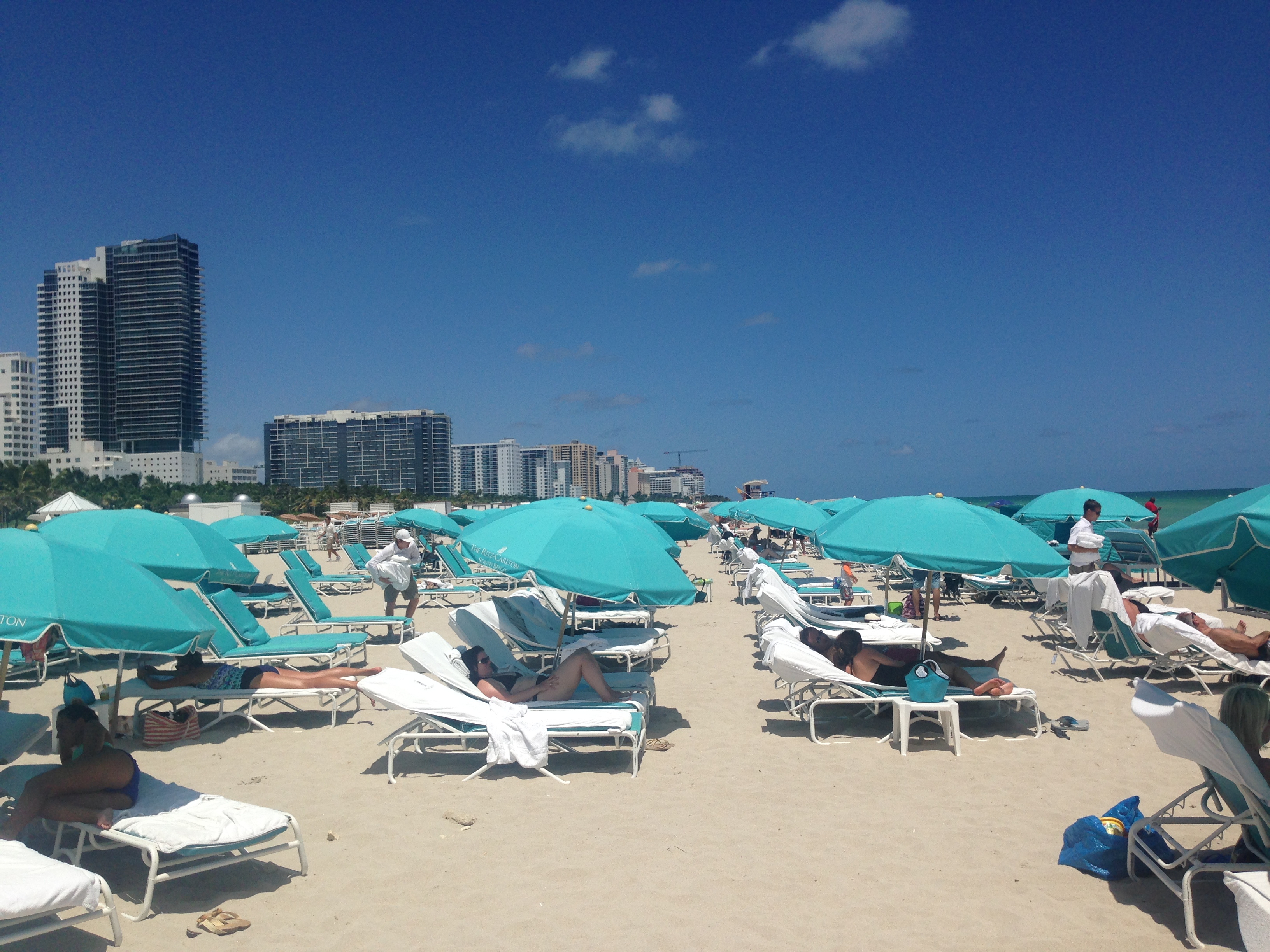
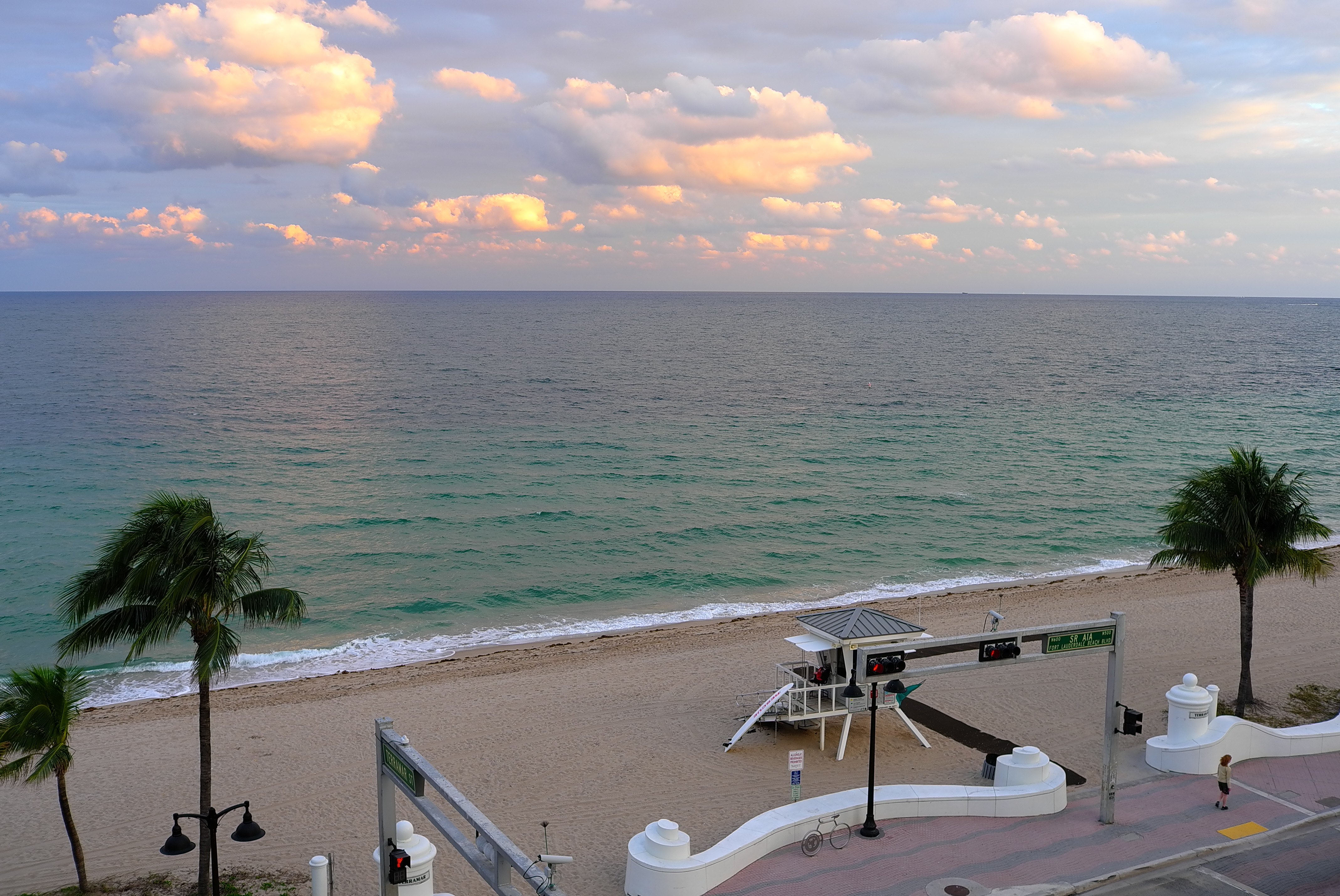
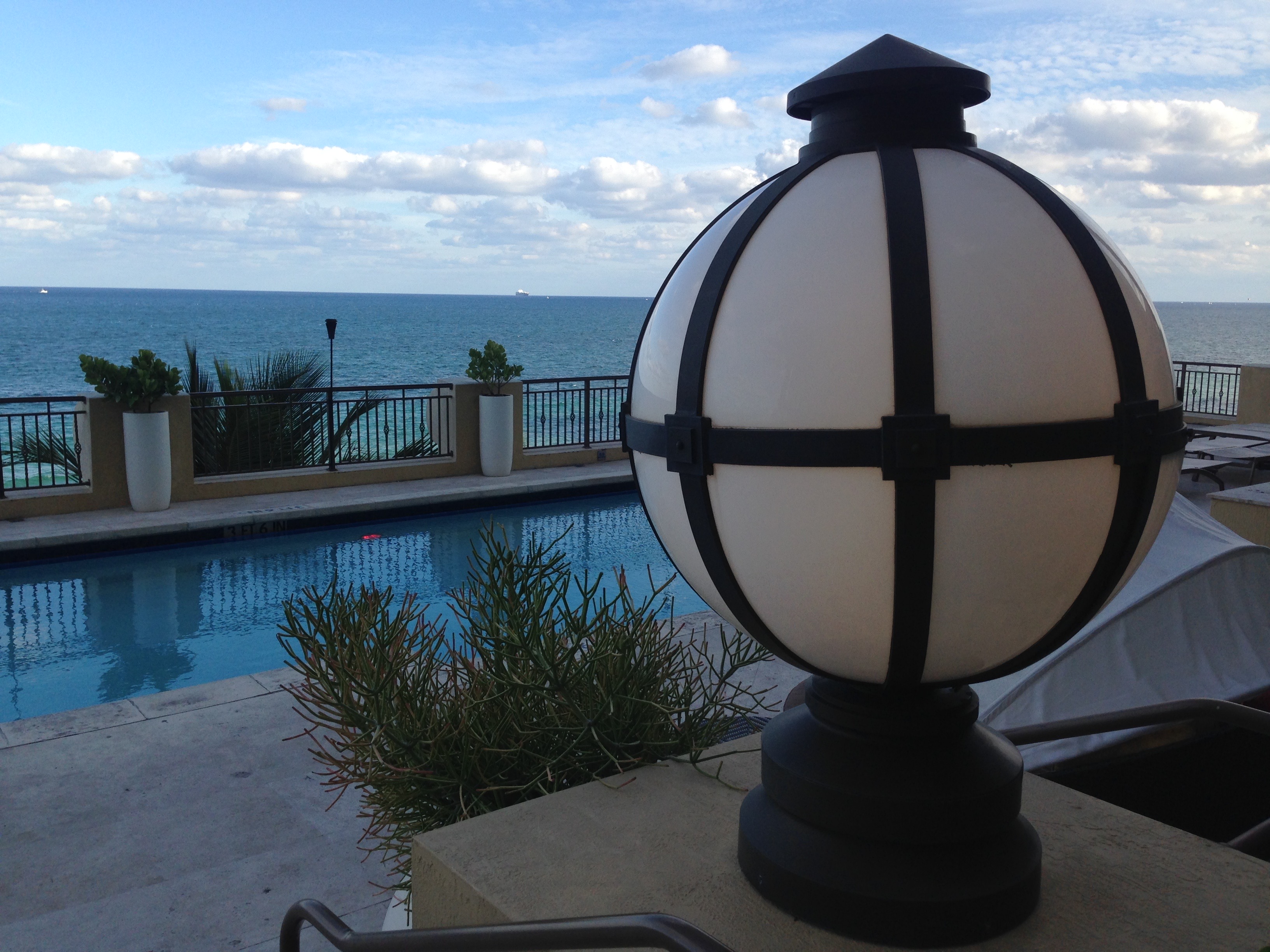
The second cultural puzzle is a few dozen metres from our little hotel. The hotel has its own stretch of beach. There is a small sign: “PRIVATE BEACH”. And that is all. No fence, no security guard, no tape, no man in a high-visibility vest, not even a second sign explaining what awaits anyone who ignores the first. And people do not go in. The beach next door is packed. Loungers, umbrellas, children, dogs, entire family beach households. A few dozen metres further on, almost empty sand. You would only need to take three steps to the side. Nobody does. In America the word “private” apparently has physical properties. It works like an invisible wall. I look at the sign and wonder what a similar experiment would look like on the Polish Baltic coast. I suspect the first question would be: “Private? And why is that?”, the second: “And where does it say so?”, asked directly in front of the sign that says exactly that, and the third: “Look, mister, I’m only passing through.” Five minutes later someone would probably already be sitting behind the sign inside a parawan, the striped windbreak Poles put up on every beach, explaining that the sand belongs to everyone.

The difference here is not only cultural but also legal. In Massachusetts private property can include the beach, and the public’s right to use a private stretch of shoreline is far more limited than in Poland. In Poland the principle of general public use of sea waters applies, and as a rule a landowner on the coast cannot fence off the strip within 1.5 metres of the shoreline or forbid people from walking along it. That is why the American “PRIVATE BEACH” cannot simply be shipped across the Atlantic and put up in Międzyzdroje, one of our busiest Baltic resorts.
And perhaps it is exactly these small things that are the most interesting part of travelling. Not monuments, museums and the must-sees from the guidebook, but situations in which two ordinary phrases reveal a piece of a whole culture. “How are you?” means: I am asking very politely, but please do not answer in detail. “Private beach” means: do not enter, even if nobody is watching. Americans follow the first rule in conversation and the second on the beach. I already know the first one. With the second, I am still standing here, looking at an empty patch of sand. And wondering how many windbreaks would fit on it in Poland.

































Leave a Reply