This time we decided to begin New York with a small revolution. We betrayed Uber. Lyft, for reasons unknown to economists, algorithms and probably Lyft itself, kept offering us better prices. In New York you do not argue with the market. You get into a big Toyota, fasten your seatbelt and ride to Greenpoint.

For Poles, Greenpoint is no ordinary part of Brooklyn. It is an institution. For decades our compatriots arrived here with a suitcase, a cousin’s phone number and the conviction that somewhere in the neighbourhood there had to be a shop selling real bread. Successive waves of emigration changed the language of the street, the price of flats and the cars parked outside, but one thing remained constant: good Polish bread enjoys almost constitutional status here.

So for the first time in the history of our New York trips we stayed outside Manhattan. The reason was family. Our grown-up son, who until now had led the life of a proper Manhattanite, together with his beautiful and beloved American wife did something we had not foreseen: they moved to Greenpoint. She, having fallen in love with Polish cuisine, decided that if you marry a Pole, certain consequences cannot be avoided. One of them is bread. And it has to be said: the bread really is just like at home.
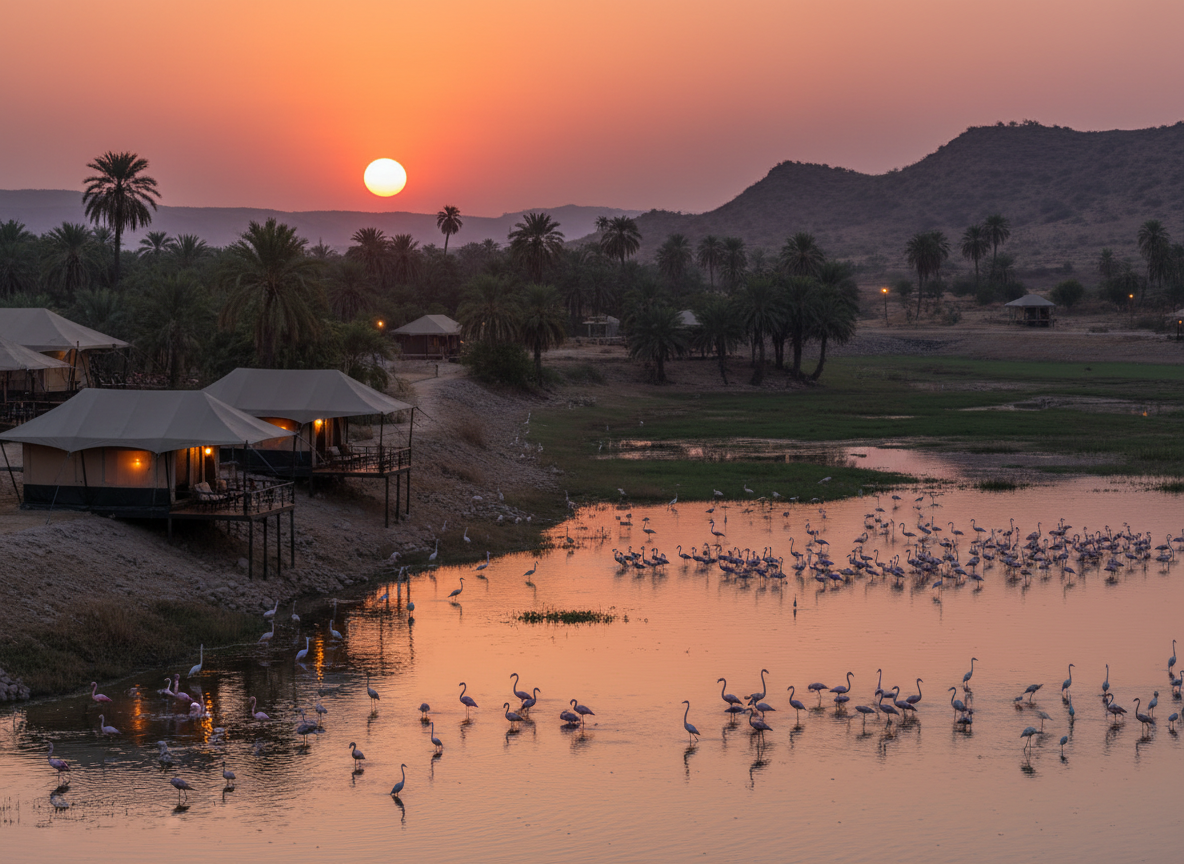
They only forgot to warn us about one thing. Their “flat in Greenpoint” did not quite match our idea of a flat in Greenpoint. A large terrace, the East River in front of you, Manhattan on the other side and a sunset that looked as if New York had switched on premium mode just for us. Elsewhere in the city a view like that comes with a separate charge, a resort fee and the expectation of a tip. Our children put us up for free. Family does have its advantages.

The next day we began a march through several thousand years of art history. First the Guggenheim. Frank Lloyd Wright designed a building in which you are never quite sure whether you are looking at the paintings or the building is looking at you. The spiral ramp winds upwards like an elegant multi-storey car park, only instead of cars there are people discussing contemporary art with expressions suggesting they understand everything. Our own kind were there too. They sat on the low wall opposite the main entrance and devoured huge bread rolls with an enviable appetite…


Then the Met. Here the situation is the reverse. You walk in and after a few minutes you begin to realise that you will not see everything even if you lived there until retirement. Egypt, Greece, Rome, European painting: entire civilisations moved to Fifth Avenue. At one point I am standing next to an Egyptian deity several thousand years old and conclude that, compared with him, even our marriage is still quite a fresh story.

Between one museum and the next there was shopping, of course, because culture is culture, but New York does not let you pretend for long that material goods do not interest you.
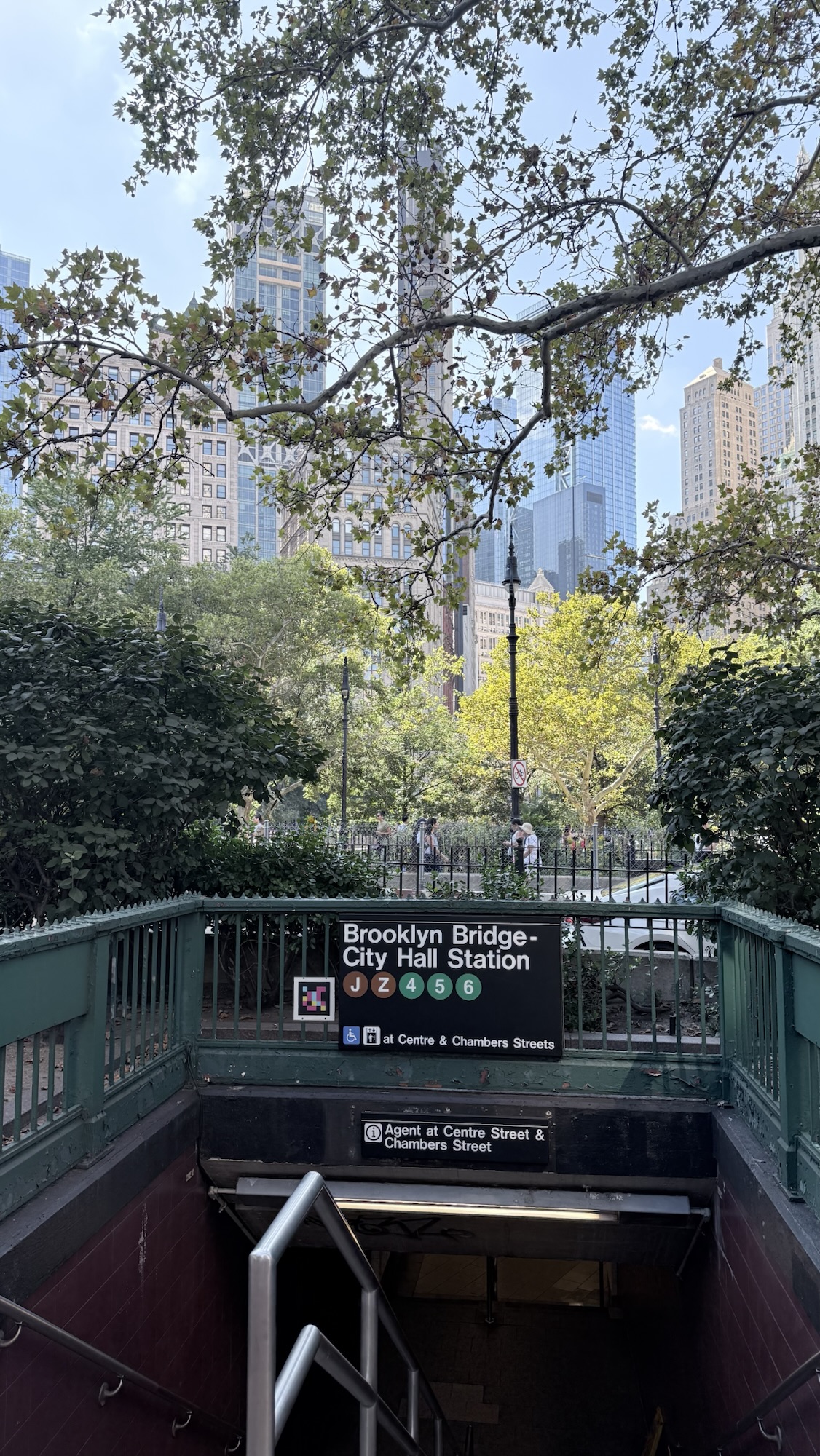
We also got around by subway. It is an important part of New York therapy. A few minutes earlier you are contemplating masterpieces of world art, and a moment later you are sitting on an orange plastic seat in a subway car wondering whether you really understood the announcement from the loudspeaker. Democracy in its purest form.

The Brooklyn Bridge was compulsory too, because there are things in New York you simply do not skip, even if you have seen them before.


The same goes for the renovated Penn Station, which today makes a genuinely good impression and shows that even New York chaos can sometimes be successfully brought to order.


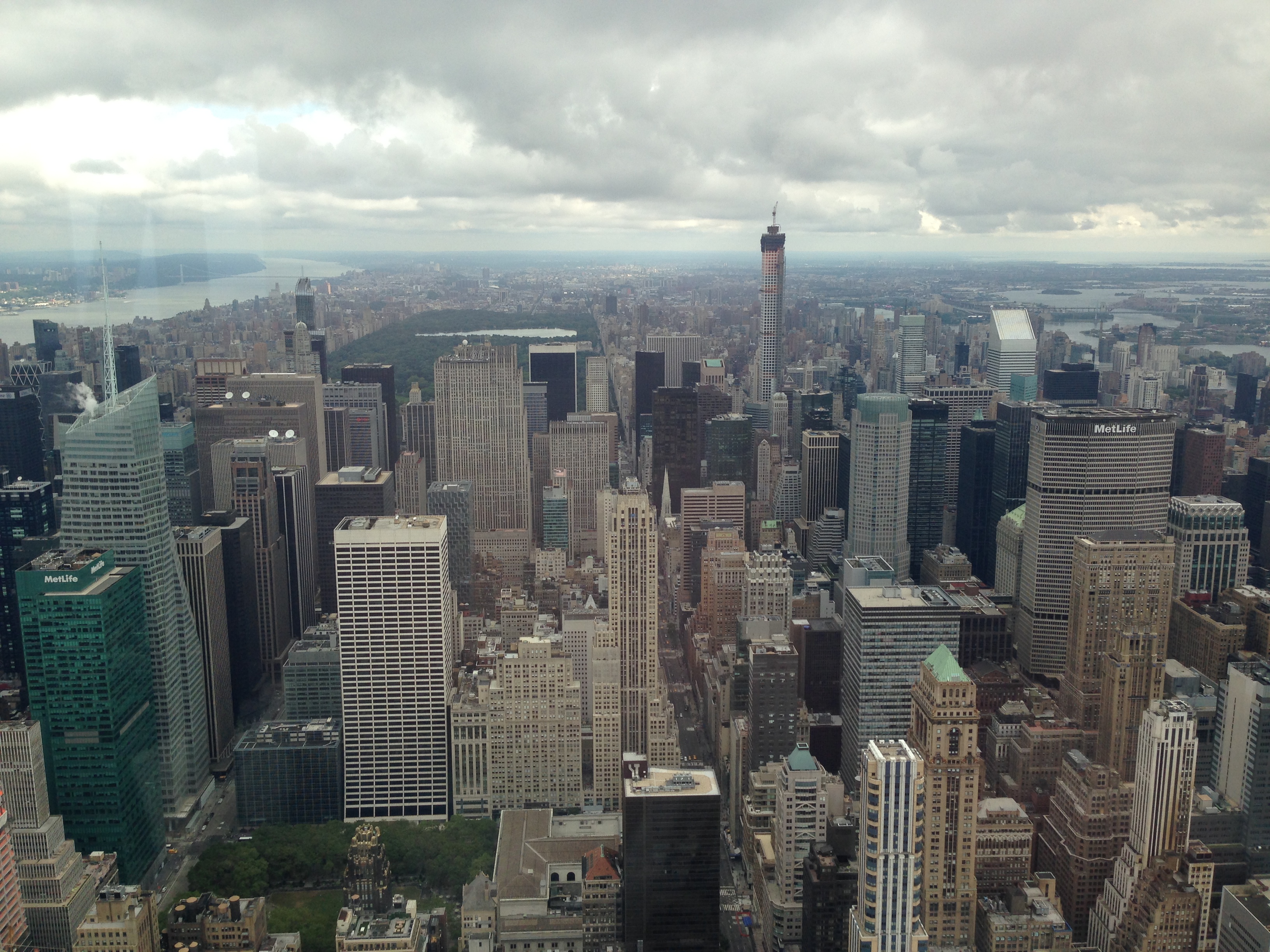
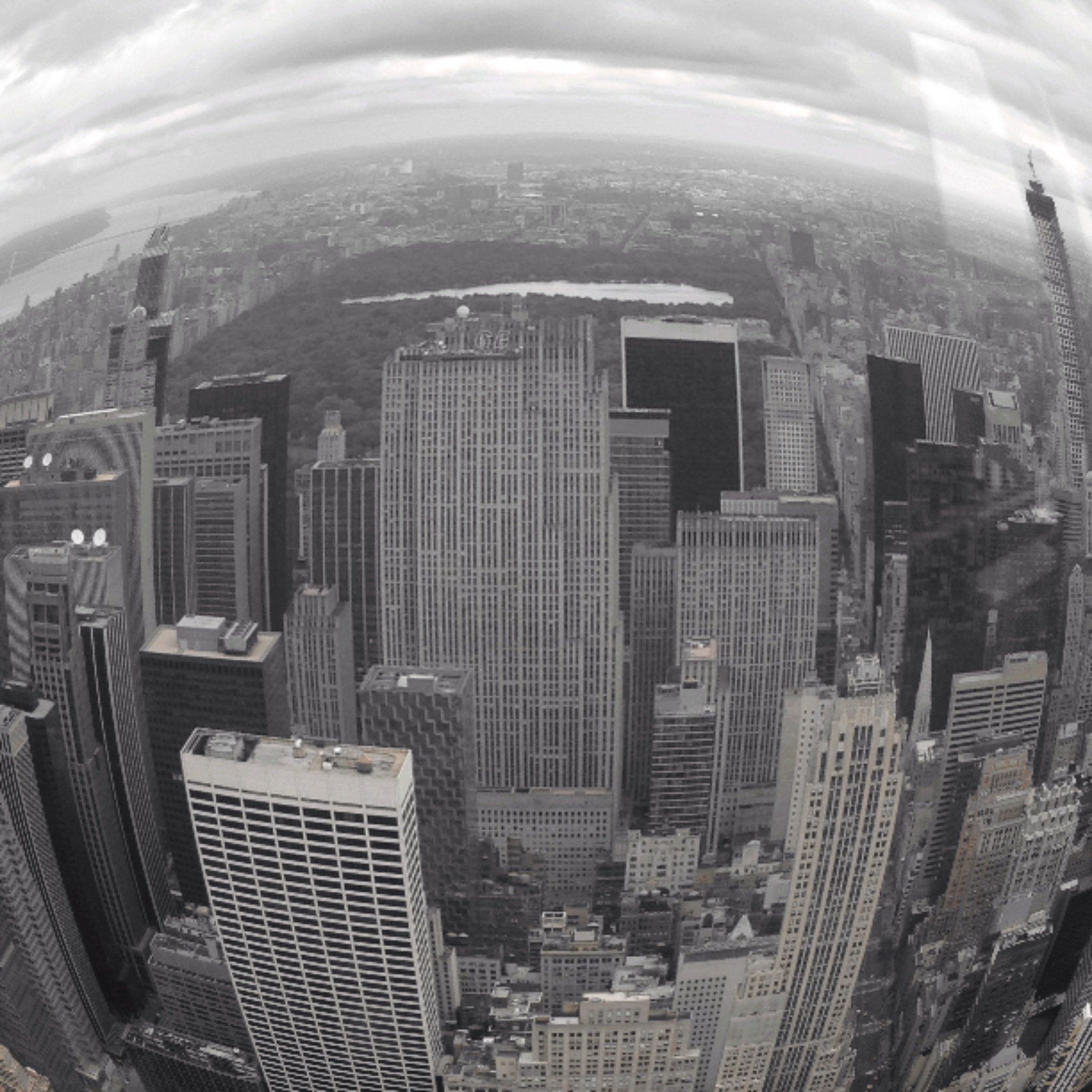
And right above it is our son’s office, with a view that could in itself be part of a staff incentive package. You look down on Manhattan and begin to understand why people in this city agree to work far too long.

In the evening, however, came the climax. Our beautiful and clever daughter flew in from London with her boyfriend, like a colourful bird. And suddenly parents, children, partners, in-laws and close family were all sitting around one table. Outside the window Manhattan was switching on its lights one by one, the Empire State Building and the Chrysler Building were doing their thing, and we sat on the other side of the East River, watching it all from Greenpoint.


And then you come to a fairly simple conclusion. You can walk through the entire Guggenheim. You can spend half a day at the Met. You can see the works of the pharaohs, Rembrandt and several thousand years of human history. But for us the best exhibit of the day was that one table at which everyone was together.

What more could you need?
So ended one of those New York days that need no improving. Manhattan in front of us, an international family beside us, Polish bread in the kitchen.
And the next day I decided to follow in the footsteps of Poles in New York. That is where the story really begins. But more about that next time…