The Passport Lottery
Today the passport sits in a drawer and gets in the way a little. We renew it out of habit, because it might come in handy one day for a holiday in Albania or some long-haul trip. An ordinary document: a number, a photo, a fee, a pick-up date. Nothing special. Our children treat it as something obvious, like a library card or a gym pass. Yet for the previous generation the same small booklet meant something completely different. It was the border between a closed world and an open one. So we have two passports, two eras and one family that remembers the first and uses the second. For a person living in the Polish People’s Republic, a passport was not something you owned the way you own a jacket or a suitcase. Legally it did not belong to the citizen. It was the property of the state, and after returning from abroad you had to dutifully hand it back at the right counter. You did not keep it in a drawer next to the holiday photos. You returned it like the key to a storeroom. Passports were issued by the Passport Office, an institution that answered to the Citizens’ Militia, the communist police, and so to the apparatus of power. It is hard to find a better symbol of the fact that travelling abroad was not a right but a privilege the state granted to a citizen, provided he behaved himself.

An ordinary person who simply wanted to see the world had to prepare for a small administrative expedition. First the application form, ideally in several copies, because something could always go wrong. Then a certificate from your workplace confirming that you really worked there, that you were needed, and that the employer graciously agreed to your departure. On top of that, your superior’s consent: sometimes official, on paper, sometimes unofficial, in the form of a short remark. You had to justify why you were going and where. To visit family, on an organised tour, to a sanatorium. Declaring that you simply wanted to see the Eiffel Tower sounded suspicious.
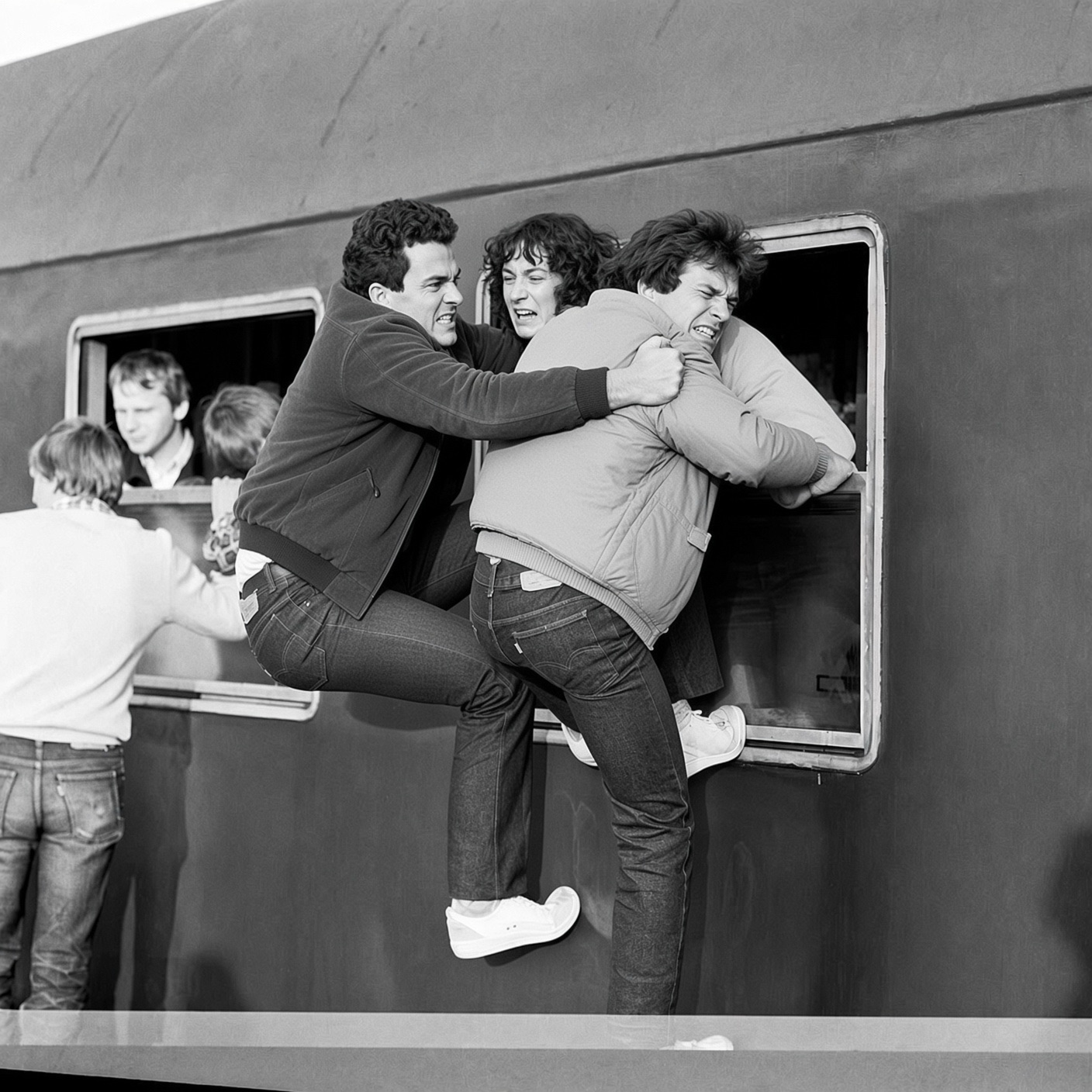
The queues outside passport offices began at dawn. Some people came at night and dozed on benches to guard their place on the list. The queue had its own laws. Someone wrote names on a sheet of paper, someone called out numbers, someone took offence at being moved down the list. In the background hung the inevitable question of whether it was worth it at all, since they could refuse without any explanation. And they could. The Security Service, the communist secret police, checked whether the applicant was a so-called politically reliable citizen. A signature under the wrong petition, attendance at the wrong meeting, or simply an officer in a bad mood was enough for a negative decision. The refusal arrived tersely, with no reasons given. Many people still remember a sentence that came in various versions but always sounded much the same: “There are currently no grounds for issuing the document.” End of story. For many people, martial law in December 1981 meant the end of travel. It was not only the loss of a chance to trade in jeans. Above all, it was the feeling that someone had locked the door and kept the key in his own drawer.
The very possibility of travelling to the West was further fenced in by currency regulations. Holding dollars outside the permitted framework was illegal, so you had to apply separately for a foreign-currency permit. One more application, one more humiliation, one more official looking down at you from behind a desk. An ordinary person who dreamed of walking into a shop in Vienna and seeing what full shelves looked like had to pass through this whole multi-stage selection. No wonder a passport became not an identity document but a ticket to another planet. This was the setting for stories that today sound like absurd anecdotes but back then were simply everyday life. In 1978 a man from Lublin decided to apply for a passport. He prepared impeccably. He gathered every document he could obtain, filled in the form in triplicate, attached the photos and signed in all the right boxes. He had been standing in the queue since four in the morning. When he finally sat down opposite the clerk, he proudly spread his small paper fortune across her desk.
The clerk looked at the pile, sighed, and after a moment of silence announced that, unfortunately, one certificate was missing. Specifically, a certificate confirming that the certificates he had collected were valid. She was not joking. The man from Lublin took his papers and went home. A week, several signatures and a few stamps later, he had the extra document. He came back, queued once more and handed the bundle through the window. At that point it turned out that the form he had filled in so carefully had just become obsolete. The template had been changed. He had to start again.

The story circulates on internet forums today as a classic example of bureaucratic absurdity. At the same time it captures the spirit of the whole system very well. The man from Lublin received his passport after eight months. In the meantime he had changed his travel plans twice and fallen seriously ill once. When he finally got the document, he was refused the currency permit. So he could legally leave, but he was not allowed to hold the money he would need to live abroad. The border was supposedly open, yet crossing it turned out to be a lottery in which the main prize was the official’s peace of mind, not the citizen’s freedom.
There are no more certificates from a boss who graciously agrees to let you travel. Nobody checks the secret-service files to see whether a citizen is politically reliable before allowing him to see a bit of the world. You no longer have to hand in your passport when you come home. Everything that was once a reward for loyalty has become an ordinary part of the legal order. Polish passport law and European Union law, including the well-known Directive 2004/38/EC, treat freedom of movement as a right, not as a whim of the administration. Interestingly, many people do not think about it this way at all. The passport simply exists. Just as the landline telephone once did, and the internet in your pocket does today.
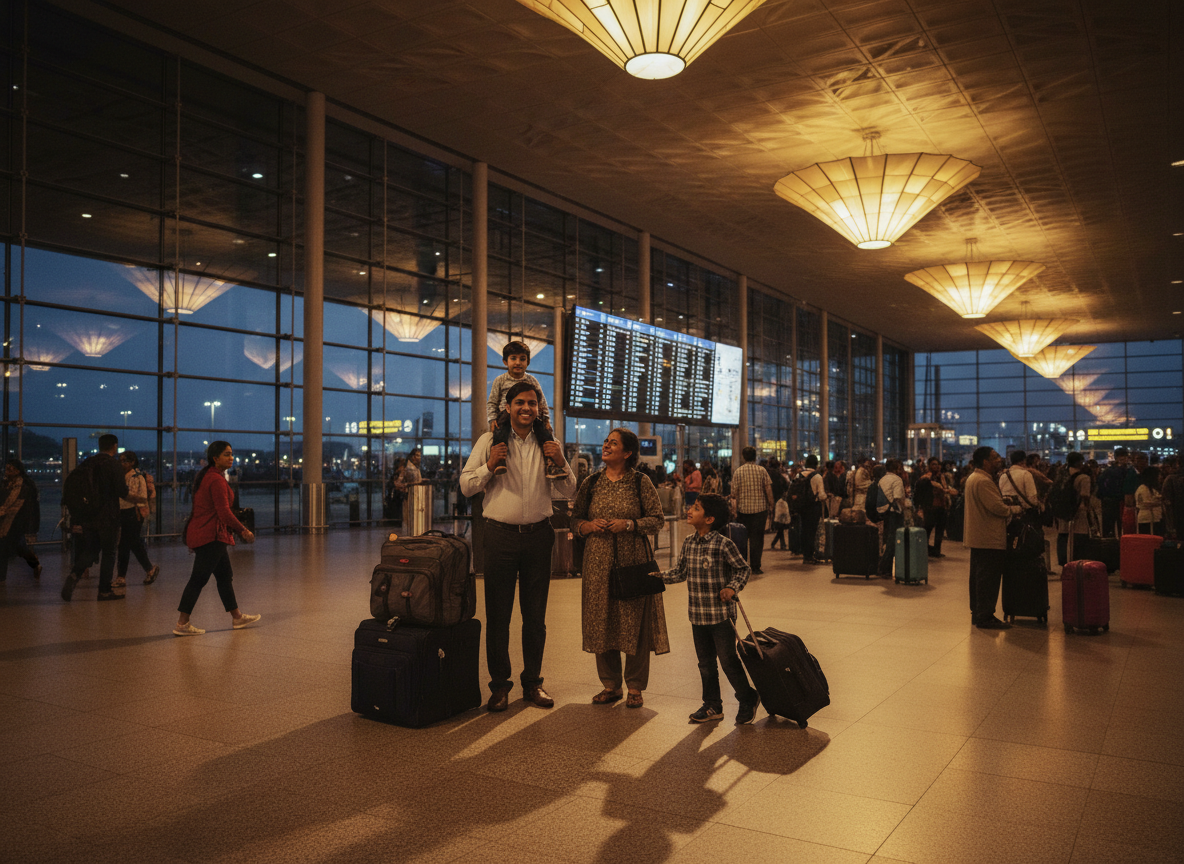
The next step on this road was Schengen. On 14 June 1985 five countries, Belgium, France, Luxembourg, the Netherlands and what was then the Federal Republic of Germany, signed an agreement in the small Luxembourg town of that name. It sounds like a minor diplomatic episode, a footnote in a civics textbook. Yet that is where a new everyday reality began, one in which you can cross a border without stopping, without checks, without explaining to anyone who you are visiting and where you are going. The convention implementing the Schengen Agreement came into force on 26 March 1995. Since then the area has kept growing and today covers twenty-nine countries and more than four hundred million people. The numbers are so large that they stop being impressive. What matters more is what happens at the level of the individual. We get into the car in Poznań and a few hours later get out in Berlin without taking our documents out of our wallets. For someone who remembers border checks, booths, barriers and the fear that customs officers might find something in the luggage, this is an almost metaphysical change.
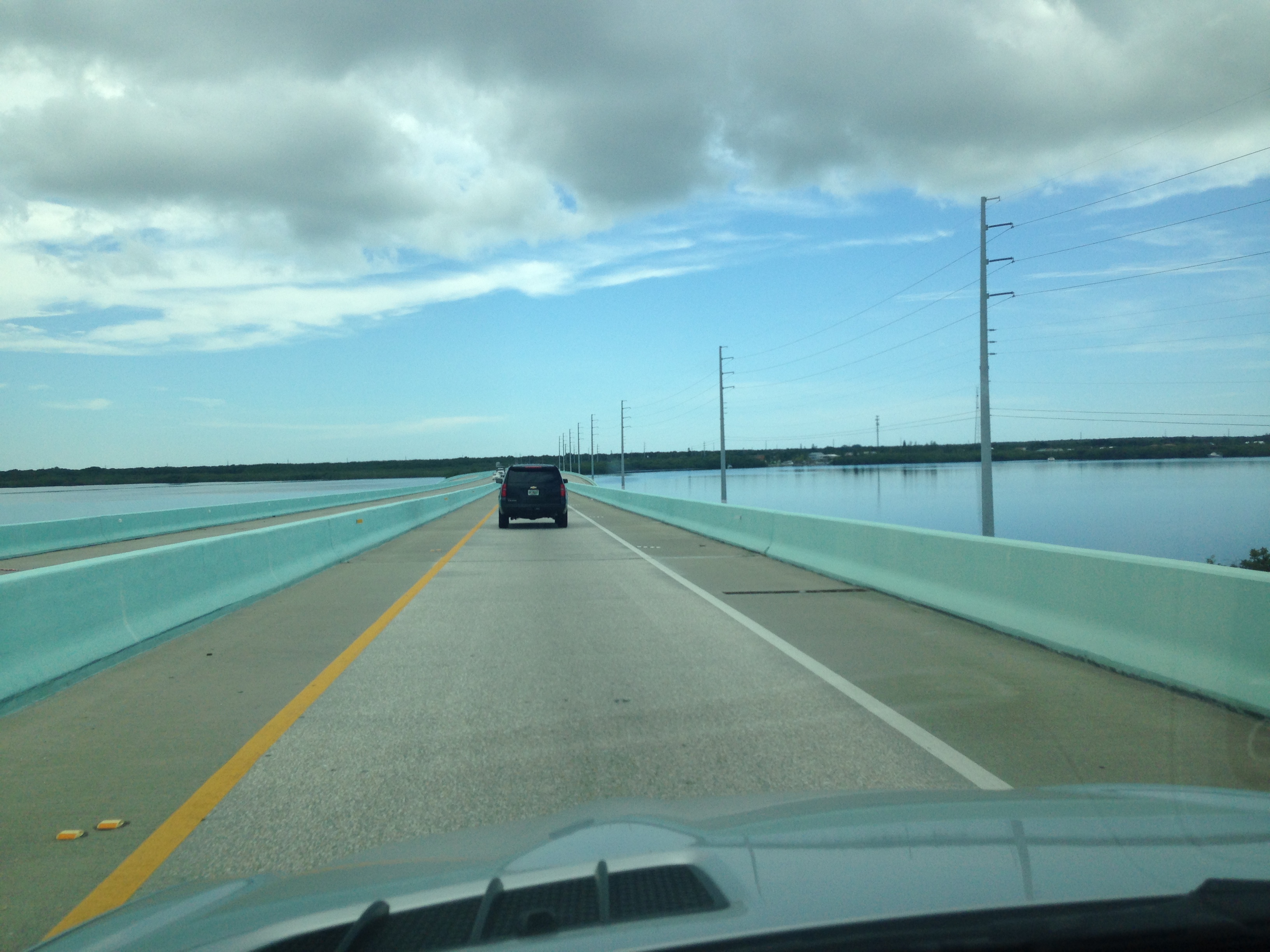
Poland joined the Schengen Area on 21 December 2007. Back then it was still treated as an event: people spoke of the end of an era, of the symbolic opening of borders. Today younger people often do not quite understand what all the fuss was about. For them a border is a line on a map, not a barrier in the middle of the night. Perhaps that is a good thing. Perhaps Schengen’s greatest success is precisely that we have stopped thinking about it. That being able to drive to Lisbon without a passport feels as normal as driving from one Polish province to the next.
So the question remains whether we should go back to those times in our memories in order to appreciate better what we have. Is it worth dusting off memories of queues, refusals and grotesque certificate requirements in family conversations? Perhaps it is, because these stories are part of our shared biography and show how fragile freedom can be. Or perhaps the very fact that we do not think about them day to day, that the passport in the drawer stirs no emotion in us, is a sign that a certain change has truly succeeded. So we can imagine a scene in which a grandfather tells his grandson about his first passport, about waiting in the queue and about that legendary certificate meant to confirm the validity of other certificates. The grandson listens, a little surprised, a little amused, and puts his own chipped document back into his backpack. For one of them the passport was a lottery ticket, sometimes a winning one, more often not. For the other it is simply a piece of paper and plastic that lets him cross one border after another without complications. Perhaps the greatest praise of our times lies in this quiet lack of excitement. Freedom becomes everyday, and what was a privilege yesterday is today an unspectacular but priceless part of ordinary life.


























Leave a Reply